Every year on February 2nd, homes across France fill with the sweet aroma of crêpes sizzling in buttered pans. This is La Chandeleur, or Candlemas, a cherished French holiday that marks the midpoint between winter solstice and spring equinox. At Alliance De Berkeley, we recently celebrated this delightful tradition with our community, and we're excited to share the magic of La Chandeleur with you.
The Rich History and Symbolism of La Chandeleur
La Chandeleur has roots that stretch back centuries, blending Christian tradition with ancient pagan customs. The name itself comes from "chandelles," the French word for candles, referring to the Christian feast of the Presentation of Jesus at the Temple. On this day, churches would bless candles that symbolized Christ as the light of the world, and parishioners would carry these blessed candles home in candlelit processions.
But the tradition goes even deeper. Before Christianity, ancient Romans celebrated Lupercalia around this time, a festival of light and fertility that marked the gradual return of longer days. The round, golden crêpes we make today echo this solar symbolism—their circular shape and golden color representing the sun and the promise of spring's warmth after winter's darkness.
French folklore adds another layer of meaning to the celebration. According to tradition, if you can flip a crêpe while holding a gold coin in your other hand, you'll enjoy prosperity throughout the year. The skill required to successfully flip the delicate crêpe symbolizes dexterity and good fortune, while the coin represents wealth and abundance.
Why Crêpes?
The choice of crêpes for this celebration is both practical and symbolic. Historically, February 2nd marked a time when farmers would use up their remaining wheat flour before the new harvest. The simple ingredients—flour, eggs, milk, and butter—were readily available even in winter, making crêpes an accessible treat for all families.
The thin, delicate nature of crêpes also carries meaning. Unlike thick pancakes, crêpes require skill and attention to create properly. This mindfulness in preparation reflects the spiritual significance of the day, encouraging us to approach even simple tasks with care and intention.
Authentic French Crêpe Recipes
At our recent Chandeleur celebration at Alliance De Berkeley, we prepared both sweet and savory crêpes, honoring the versatility of this beloved French staple. Here are our tried-and-true recipes that have been perfected over years of community gatherings.
Classic Sweet Crêpes (Crêpes Sucrées)
Ingredients:
- 250g (2 cups) all-purpose flour
- 4 large eggs
- 500ml (2 cups) whole milk
- 50g (3.5 tablespoons) melted butter, plus extra for cooking
- 2 tablespoons sugar
- 1 teaspoon vanilla extract
- Pinch of salt
- Optional: 2 tablespoons rum or Grand Marnier for authentic French flavor
Instructions:
- In a large mixing bowl, whisk together the flour, sugar, and salt.
- Create a well in the center and add the eggs. Begin whisking from the center, gradually incorporating the flour.
- Slowly add the milk while continuing to whisk, ensuring no lumps form. The batter should be smooth and have the consistency of heavy cream.
- Stir in the melted butter, vanilla extract, and rum if using.
- Cover the batter and refrigerate for at least 1 hour, or preferably overnight. This resting period allows the flour to fully hydrate and results in more tender crêpes.
- When ready to cook, heat a crêpe pan or non-stick skillet (about 8-10 inches) over medium heat. Lightly butter the pan.
- Pour about 1/4 cup of batter into the pan, immediately tilting and rotating to spread the batter thinly and evenly across the bottom.
- Cook for about 1-2 minutes until the edges begin to brown and the surface appears dry. Flip carefully and cook for another 30 seconds to 1 minute.
- Transfer to a plate and repeat with remaining batter, stacking the finished crêpes.
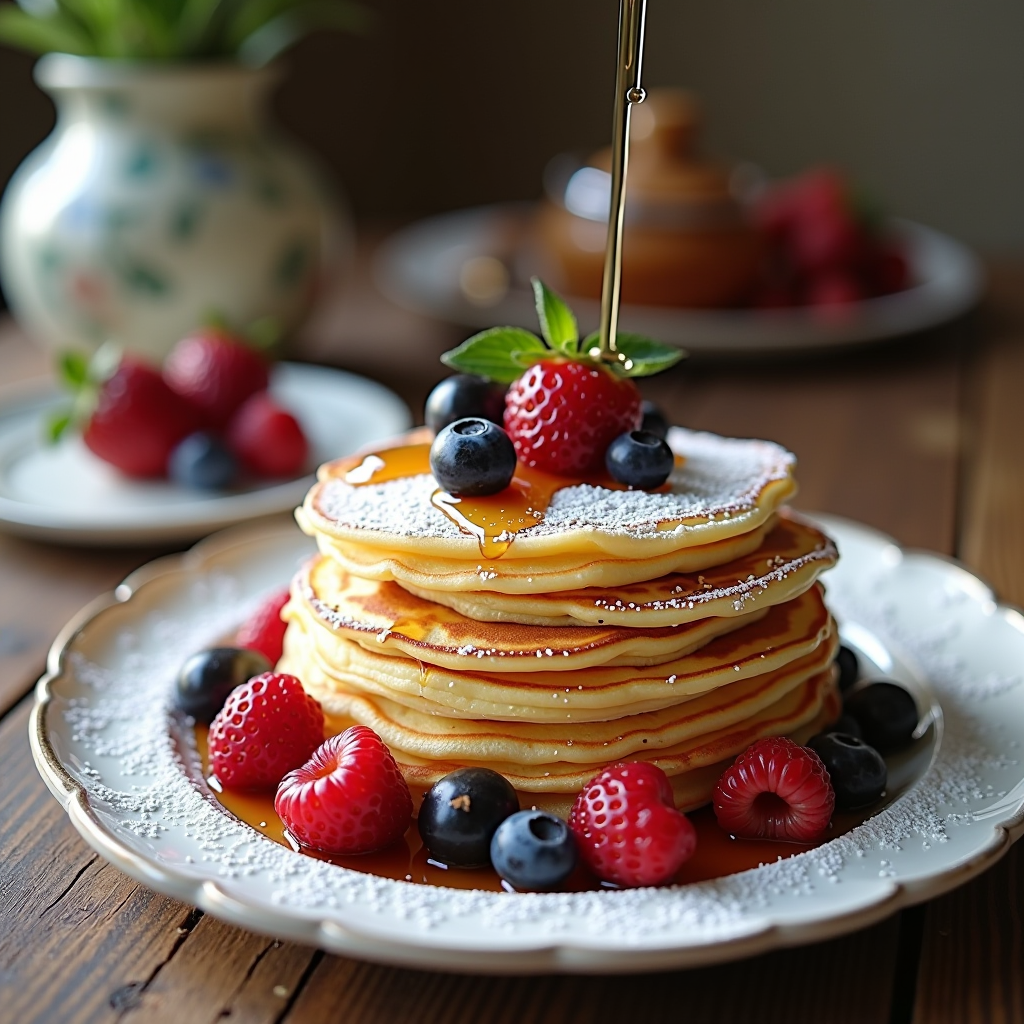
Traditional Serving Suggestions for Sweet Crêpes
The beauty of sweet crêpes lies in their versatility. At our celebration, we offered a variety of classic French toppings that allowed everyone to customize their experience:
- Sucre et Citron: The simplest and most traditional—a sprinkle of granulated sugar and a squeeze of fresh lemon juice
- Nutella: A modern favorite that has become synonymous with French crêpes
- Confiture: Homemade or high-quality fruit preserves, particularly apricot, strawberry, or raspberry
- Crème de Marrons: Sweetened chestnut spread, a luxurious autumn-inspired option
- Beurre et Sucre: Simply butter and sugar, allowing the delicate flavor of the crêpe to shine
- Compote de Pommes: Warm apple compote with a hint of cinnamon
Savory Buckwheat Crêpes (Galettes de Sarrasin)
Ingredients:
- 200g (1.5 cups) buckwheat flour
- 50g (1/3 cup) all-purpose flour
- 3 large eggs
- 500ml (2 cups) water
- 1 teaspoon salt
- 2 tablespoons melted butter
Instructions:
- Combine both flours and salt in a large bowl.
- Make a well in the center and add the eggs. Whisk from the center outward.
- Gradually add water while whisking continuously until you achieve a smooth, thin batter.
- Stir in the melted butter.
- Let the batter rest for at least 2 hours at room temperature, or overnight in the refrigerator.
- Cook following the same method as sweet crêpes, but note that buckwheat galettes are traditionally cooked slightly longer for a crispier texture.
Classic Galette Fillings
Savory galettes are traditionally associated with Brittany, where buckwheat grows abundantly. These hearty crêpes make a complete meal and were featured prominently at our community gathering:
- La Complète: The quintessential galette with ham, Gruyère cheese, and a fried egg in the center
- Champignons et Fromage: Sautéed mushrooms with cream and melted cheese
- Saumon Fumé: Smoked salmon with crème fraîche, capers, and fresh dill
- Ratatouille: Classic Provençal vegetable stew folded into a warm galette
- Chèvre et Miel: Goat cheese with honey and walnuts, balancing savory and sweet
Hosting Your Own Chandeleur Celebration
One of the most wonderful aspects of La Chandeleur is its communal nature. This isn't a holiday meant to be celebrated alone—it's about gathering friends and family around the warmth of the kitchen, sharing stories while crêpes sizzle on the stove. Here's how to create your own memorable Chandeleur gathering, inspired by our successful event at Alliance De Berkeley.
Setting the Scene
Creating the right atmosphere is essential for an authentic Chandeleur experience. We transformed our space with simple but meaningful touches that evoked the warmth and elegance of a French home:
Begin with lighting—candles are non-negotiable for Chandeleur. We placed tea lights and taper candles throughout the space, their flickering flames honoring the holiday's origins. The soft, warm glow created an intimate atmosphere that encouraged conversation and connection. Consider using unscented candles near the food preparation area to avoid competing with the delicious aromas of cooking crêpes.
For table settings, we chose cream-colored linens that complemented our color palette while providing a neutral backdrop for the colorful toppings and fillings. Simple white or cream plates allowed the golden crêpes to be the stars of the show. We added small touches of burgundy through napkins and fresh flowers—deep red roses and burgundy dahlias arranged in simple glass vases.
Pro Tip: Create a "crêpe bar" where guests can customize their own creations. Set up stations with sweet toppings on one side and savory fillings on another. This interactive element turns the meal into an experience and allows everyone to explore different flavor combinations.
The Art of Crêpe-Making as Entertainment
At our celebration, we discovered that the process of making crêpes can be as entertaining as eating them. Rather than preparing everything in advance, we set up cooking stations where guests could try their hand at flipping crêpes—with varying degrees of success and lots of laughter.
We provided multiple crêpe pans and created a friendly competition around the traditional coin-flipping challenge. Guests took turns attempting to flip their crêpes while holding a gold-wrapped chocolate coin (a playful modern interpretation of the tradition). The attempts ranged from graceful successes to comical mishaps, but every flip was met with cheers and encouragement.
This interactive approach served multiple purposes: it kept the crêpes fresh and hot, it gave guests something to do beyond just eating, and it created natural conversation starters. People who had never met before bonded over shared attempts at mastering the perfect flip, and experienced crêpe-makers enjoyed sharing their techniques with novices.
Music and Ambiance
To enhance the French atmosphere, we curated a playlist of classic French music that played softly in the background. We included a mix of traditional accordion music, classic chanson française from artists like Édith Piaf and Charles Aznavour, and more contemporary French artists. The music provided a cultural backdrop without overwhelming conversation.
Educational Elements
As a cultural organization, we incorporated educational elements into our celebration. We created small information cards explaining the history and traditions of La Chandeleur, which we placed around the room. These sparked interesting discussions about French culture and traditions, fulfilling our mission of cultural education while keeping the atmosphere festive and relaxed.
We also prepared a brief presentation about regional variations in Chandeleur celebrations across France. Guests learned that while crêpes are universal, different regions have their own special touches—from the buckwheat galettes of Brittany to the sweet crêpes of Paris, each area brings its own character to the celebration.
Tips for Perfect Crêpes Every Time
Through years of hosting Chandeleur celebrations and countless crêpes made, we've learned valuable lessons that can help anyone achieve crêpe perfection. Here are our most important tips:
Batter Preparation
The resting period is crucial and should never be skipped. When flour meets liquid, gluten strands begin to form. Allowing the batter to rest gives these strands time to relax, resulting in tender crêpes rather than tough, rubbery ones. We recommend making your batter the night before your celebration—this not only improves texture but also reduces day-of preparation stress.
The consistency of your batter is equally important. It should flow easily and coat the back of a spoon in a thin, even layer. If it's too thick, your crêpes will be heavy and cake-like; too thin, and they'll tear easily. Don't hesitate to adjust with small amounts of milk or flour until you achieve the perfect consistency.
Pan Temperature and Technique
Temperature control is perhaps the most challenging aspect of crêpe-making. Your pan should be hot enough that the batter sizzles slightly when it hits the surface, but not so hot that it burns before you can spread it. Medium to medium-high heat typically works best, but every stove is different. We recommend making a test crêpe to dial in the perfect temperature before your guests arrive.
When pouring batter into the pan, work quickly. Pour about 1/4 cup into the center, then immediately lift the pan off the heat and tilt it in a circular motion, allowing the batter to flow and coat the entire bottom surface. This should take only 2-3 seconds. The faster you work, the thinner and more delicate your crêpes will be.
The Flip
The moment of truth—flipping the crêpe—intimidates many home cooks, but it's easier than it looks with the right technique. Wait until the edges begin to brown and curl slightly away from the pan, and the surface appears dry with no wet batter remaining. Slide a thin spatula under the crêpe, lift it about an inch, then quickly flip it over. With practice, you can graduate to the dramatic wrist-flip technique, but a spatula works perfectly well and is much more reliable for beginners.
Keeping Crêpes Warm
When making crêpes for a crowd, keeping them warm without drying them out is essential. We stack finished crêpes on a plate and cover them with a clean kitchen towel. For larger gatherings, you can keep a stack of crêpes warm in a low oven (around 200°F/95°C), covered with foil. The residual steam from the crêpes themselves helps keep them moist and pliable.
Our Community Celebration at Alliance De Berkeley
This year's Chandeleur celebration at Alliance De Berkeley was particularly special, bringing together over fifty members of our French-speaking community and Francophile friends. The event exemplified our mission of promoting French language and culture through engaging, authentic experiences.
We began the evening with a brief presentation about the history and significance of La Chandeleur, delivered in both French and English to accommodate all language levels. This educational component set the stage for the celebration, helping attendees understand the deeper meaning behind the delicious tradition they were about to experience.
The highlight of the evening was undoubtedly the communal crêpe-making. We set up four cooking stations, each supervised by experienced volunteers who guided participants through the process. The kitchen buzzed with activity and laughter as people of all ages tried their hand at creating the perfect crêpe. Children were particularly delighted by the challenge, and we witnessed several impressive flips from our younger participants.
Our topping bar was a feast for the eyes and palate. We offered traditional options alongside some creative variations, including a popular combination of caramelized apples with cinnamon that wasn't strictly traditional but proved to be a crowd favorite. The savory galette station featured locally sourced ingredients, including mushrooms from a nearby farm and artisanal cheeses from a local fromagerie, connecting French tradition with our Berkeley community.
Throughout the evening, French conversation flowed as naturally as the crêpe batter. Advanced students practiced their language skills with native speakers, while beginners picked up new vocabulary related to cooking and celebration. This organic language exchange embodied our belief that the best language learning happens in authentic, enjoyable contexts.
The event concluded with a group toast—raising glasses of sparkling cider (and wine for the adults)—to friendship, culture, and the simple joy of sharing good food. Many attendees lingered long after the last crêpe was made, reluctant to let the warm, convivial atmosphere end.
Bringing La Chandeleur Into Your Home
You don't need a large gathering to celebrate La Chandeleur meaningfully. This tradition scales beautifully to any size, from an intimate family dinner to a large community event. What matters most is the spirit of the celebration—taking time to honor tradition, enjoy simple pleasures, and share warmth during the cold winter months.
For families with children, La Chandeleur offers wonderful opportunities for involvement. Kids can help measure ingredients, whisk batter, and choose toppings. The coin-flipping tradition adds an element of playful challenge that children particularly enjoy. It's also an excellent opportunity to teach children about French culture and the importance of food traditions in bringing people together.
For those celebrating alone or in small groups, consider making La Chandeleur a moment of mindfulness and self-care. The meditative process of making crêpes—the rhythmic pouring, swirling, and flipping—can be deeply satisfying. Light candles, play French music, and take time to savor each crêpe you create. This can be a beautiful way to honor tradition while practicing self-nurturing.
Looking Forward
As we reflect on this year's celebration, we're already planning for next year's La Chandeleur at Alliance De Berkeley. The success of this event reinforces our commitment to creating opportunities for cultural immersion and community building. We're considering expanding the event to include a crêpe-making workshop in the days leading up to February 2nd, allowing more people to master the technique before the main celebration.
We also hope to incorporate more regional variations in future celebrations, perhaps featuring crêpes from different parts of France and exploring how this tradition is celebrated in various Francophone countries. Each region brings its own unique twist to this beloved tradition, and sharing these variations enriches our understanding of French and Francophone culture.
La Chandeleur reminds us that the most meaningful traditions are often the simplest ones—gathering together, sharing food made with care, and taking time to celebrate the turning of seasons and the promise of light returning. In our fast-paced modern world, these moments of connection and tradition become even more precious.
Whether you're a seasoned Francophile or just discovering French culture, we invite you to embrace La Chandeleur. Make crêpes, light candles, gather loved ones, and participate in a tradition that has brought joy to French families for centuries. And if you're in the Berkeley area, we hope you'll join us at Alliance De Berkeley for next year's celebration—we'll save you a seat at our crêpe bar.
Bonne Chandeleur à tous! May your crêpes be golden, your flips successful, and your year filled with prosperity and light.