Discovering Francophone Africa: A Journey Through Language, Culture, and Heritage
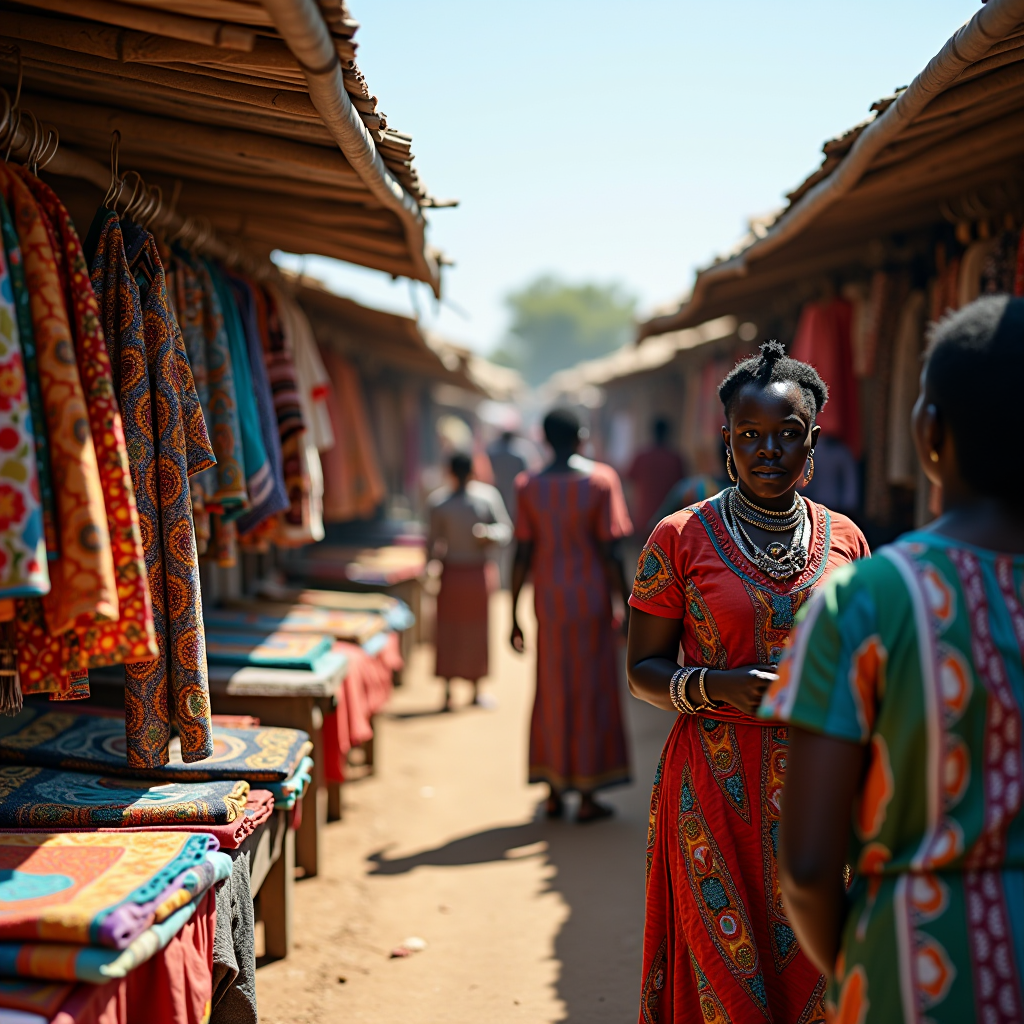
The French language extends far beyond the borders of France, weaving through the diverse landscapes and cultures of Africa in ways that continue to shape modern Francophone identity. From the bustling markets of Dakar to the artistic communities of Abidjan, from the literary circles of Kinshasa to the musical traditions of Bamako, Francophone Africa represents a vibrant tapestry of linguistic innovation, cultural richness, and historical complexity that deserves recognition in contemporary French language education.
Today, more than 120 million people across 29 African countries speak French, making Africa home to the majority of the world's French speakers. This demographic reality challenges traditional notions of Francophone culture and demands a more inclusive approach to language learning that celebrates African contributions to the French-speaking world. Understanding Francophone Africa is not merely an academic exercise—it is essential for anyone seeking to engage authentically with the global French language community.
The Rich Tapestry of African French Variations
African French is not a monolithic entity but rather a collection of dynamic linguistic variations that reflect the continent's incredible diversity. Each region has developed its own distinctive features, vocabulary, and expressions that blend French with indigenous languages, creating rich linguistic hybrids that serve as powerful tools for cultural expression and identity formation.
In West Africa, countries like Senegal, Côte d'Ivoire, and Mali have developed unique French varieties influenced by Wolof, Dioula, and Bambara languages. The French spoken in Dakar, for instance, incorporates numerous Wolof words and grammatical structures, creating a vibrant urban vernacular known as "français populaire sénégalais." Expressions like "c'est caillou" (it's difficult) and "il est chaud" (he's angry) demonstrate how local languages reshape French to express culturally specific concepts and emotions.
Central African French, particularly in the Democratic Republic of Congo and the Republic of Congo, shows strong influences from Lingala and other Bantu languages. The musical quality of Congolese French, with its distinctive intonation patterns and rhythmic speech, reflects the region's rich musical heritage. Words like "libanga" (stone/problem) and "ndoki" (witch/sorcerer) have been seamlessly integrated into everyday French conversation, enriching the language with new semantic dimensions.
North African French, spoken in countries like Morocco, Algeria, and Tunisia, represents another fascinating variation. Here, French coexists with Arabic and Berber languages, creating a multilingual environment where code-switching is the norm rather than the exception. The French of the Maghreb incorporates Arabic vocabulary, phonetic features, and even grammatical structures, resulting in a distinctive variety that reflects the region's complex colonial and postcolonial history.
Cultural Traditions and Contemporary Expressions
Francophone African cultures maintain deep connections to ancestral traditions while simultaneously embracing contemporary forms of expression. This dynamic interplay between tradition and modernity creates a cultural landscape that is both rooted in history and oriented toward the future, offering valuable lessons about cultural adaptation and resilience.
Oral traditions remain central to Francophone African cultures, with griots (traditional storytellers and historians) continuing to play vital roles in preserving collective memory and transmitting cultural knowledge. These oral traditions have influenced African French literature, with writers like Amadou Hampâté Bâ emphasizing that "in Africa, when an old person dies, it is a library burning." This profound respect for oral knowledge has shaped how French is used as a literary language in Africa, often incorporating storytelling techniques, proverbs, and rhythmic patterns derived from oral traditions.
Music and dance form integral parts of Francophone African cultural expression, with genres like Afrobeat, Coupé-Décalé, and Congolese rumba gaining international recognition. Artists like Youssou N'Dour from Senegal, Salif Keita from Mali, and Angélique Kidjo from Benin have used French alongside indigenous languages to create music that speaks to both local and global audiences. These musical traditions demonstrate how French serves as a bridge between African cultural heritage and contemporary global culture.
Visual arts in Francophone Africa encompass traditional crafts like textile weaving, wood carving, and metalwork, as well as contemporary art movements that engage with global artistic conversations. Cities like Dakar and Abidjan have become important centers for contemporary African art, hosting events like the Dakar Biennale that showcase how African artists use French as a language of artistic discourse while maintaining strong connections to local cultural traditions and aesthetic sensibilities.
The Vibrant Contemporary Arts Scene
Francophone Africa's contemporary arts scene represents one of the most dynamic and innovative cultural movements in the French-speaking world today. From literature and cinema to fashion and digital arts, African creators are reshaping what it means to be Francophone in the 21st century, challenging stereotypes and asserting their rightful place in global cultural conversations.
African Francophone literature has produced some of the most important voices in contemporary French literature. Writers like Alain Mabanckou from Congo, Fatou Diome from Senegal, and Léonora Miano from Cameroon have won prestigious literary prizes and gained international recognition for their work. These authors write in French while drawing deeply from African cultural traditions, creating literature that is simultaneously local and universal, addressing themes of migration, identity, colonialism, and globalization with nuance and sophistication.
The film industry in Francophone Africa, particularly in countries like Burkina Faso and Senegal, has established itself as a significant force in world cinema. The FESPACO (Pan-African Film and Television Festival of Ouagadougou) in Burkina Faso is Africa's largest film festival, showcasing the continent's cinematic talent and providing a platform for African filmmakers to tell their own stories. Directors like Ousmane Sembène, often called the father of African cinema, and contemporary filmmakers like Abderrahmane Sissako have used French-language cinema to explore complex social and political issues while celebrating African cultural heritage.
Fashion and design from Francophone Africa have gained increasing recognition in global markets, with designers drawing inspiration from traditional textiles, patterns, and techniques while creating contemporary designs that appeal to international audiences. The use of fabrics like wax print, bogolan, and kente cloth in modern fashion demonstrates how African designers honor cultural traditions while innovating for contemporary tastes. Fashion weeks in cities like Dakar and Abidjan showcase this creative fusion, positioning Francophone Africa as an important player in global fashion conversations.
Understanding Historical Ties to the Francophone World
The relationship between Africa and the French language is inseparable from the history of colonialism, a complex and often painful legacy that continues to shape contemporary Francophone African societies. Understanding this history is essential for anyone studying French or engaging with Francophone cultures, as it provides crucial context for current linguistic, cultural, and political dynamics.
French colonial expansion in Africa began in the 17th century and reached its peak in the late 19th and early 20th centuries, when France controlled vast territories across West, Central, and North Africa. The colonial administration imposed French as the language of government, education, and commerce, often suppressing indigenous languages and cultural practices. This linguistic imperialism had profound and lasting effects on African societies, creating complex relationships with the French language that persist today.
The independence movements of the 1960s marked a turning point in African-French relations, as newly independent nations grappled with questions of linguistic and cultural identity. Many countries chose to retain French as an official language for practical reasons—it served as a neutral lingua franca among diverse ethnic groups and provided access to international networks. However, this decision also sparked ongoing debates about linguistic sovereignty, cultural authenticity, and the role of indigenous languages in national development.
Today, the concept of "Francophonie" represents an attempt to transform colonial linguistic ties into partnerships based on shared language and cultural exchange. The Organisation internationale de la Francophonie (OIF) brings together French-speaking countries from around the world, promoting linguistic diversity, cultural cooperation, and democratic values. However, this organization and the broader Francophone movement continue to face criticism for perpetuating neo-colonial relationships and failing to adequately address historical injustices. Understanding these tensions is crucial for developing a nuanced appreciation of contemporary Francophone African cultures.
The Importance in Modern French Language Education
Incorporating Francophone African perspectives into French language education is not merely a matter of cultural sensitivity—it is essential for providing students with an accurate and comprehensive understanding of the French-speaking world. Traditional French language curricula that focus exclusively on European French fail to prepare students for the linguistic and cultural diversity they will encounter in real-world Francophone contexts.
Exposure to African French variations helps students develop linguistic flexibility and cultural competence. By learning about different pronunciation patterns, vocabulary choices, and grammatical structures used across Francophone Africa, students become better equipped to communicate effectively with French speakers from diverse backgrounds. This linguistic diversity also challenges the notion of a single "correct" French, encouraging students to appreciate language as a living, evolving phenomenon shaped by the communities that use it.
Studying Francophone African cultures enriches students' understanding of global issues and contemporary challenges. Topics like migration, sustainable development, linguistic rights, and cultural preservation take on new dimensions when examined through African Francophone perspectives. This broader cultural knowledge helps students develop critical thinking skills and global awareness, preparing them to engage thoughtfully with complex international issues.
Furthermore, including Francophone African content in language education helps combat stereotypes and promotes more equitable representations of African cultures. Too often, Africa is portrayed through deficit narratives that emphasize poverty, conflict, and underdevelopment. By highlighting African cultural achievements, linguistic innovations, and contemporary creative expressions, educators can help students develop more nuanced and respectful understandings of African societies and their contributions to global Francophone culture.
A Conversation with Dr. Aminata Diallo: Perspectives from Senegal
We had the privilege of speaking with Dr. Aminata Diallo, a linguist and cultural educator from Dakar, Senegal, who has dedicated her career to promoting understanding of Francophone African cultures. Dr. Diallo recently visited our community to share her insights on language, culture, and education.
Alliance De Berkeley: Dr. Diallo, thank you for joining us. Can you tell us about the role of French in contemporary Senegalese society?
Dr. Diallo: Thank you for having me. In Senegal, French serves as our official language and the primary language of education and government, but it coexists with numerous national languages, particularly Wolof, which is spoken by the majority of Senegalese people. This multilingual reality shapes how we use French—we constantly blend languages, creating a uniquely Senegalese way of speaking that reflects our cultural identity while maintaining connections to the broader Francophone world.
Alliance De Berkeley: How do you think French language learners can better understand and appreciate African Francophone cultures?
Dr. Diallo: The key is exposure and engagement. Students should read African Francophone literature, watch African films, listen to African music, and, if possible, interact with African French speakers. It's also important to learn about the historical context—understanding colonialism and its legacy helps students appreciate the complex relationship African societies have with the French language. Most importantly, students should approach African cultures with curiosity and respect, recognizing that Africa is not a monolith but a continent of incredible diversity.
Alliance De Berkeley: What aspects of Senegalese culture do you think are most important for French learners to understand?
Dr. Diallo: Senegalese culture places great emphasis on "teranga"—our tradition of hospitality and generosity. This value shapes how we communicate and interact with others, including how we use language. Understanding concepts like teranga, the importance of community and family, and the role of oral traditions helps learners appreciate not just the words we use but the cultural values and social practices that give those words meaning. Language is never just about grammar and vocabulary—it's about understanding the worldview of the people who speak it.
Alliance De Berkeley: What message would you like to share with our community about the importance of cultural exchange?
Dr. Diallo: Cultural exchange is a two-way street. When Americans learn about African cultures, and when Africans learn about American cultures, we all become richer for it. The French language provides a beautiful bridge for this exchange, connecting people across continents and creating opportunities for mutual understanding and friendship. I encourage everyone to approach language learning not just as an academic exercise but as a gateway to building meaningful connections with people from different backgrounds. That's where the real magic of language learning happens.
Embracing the Full Spectrum of Francophone Identity
As we have explored throughout this journey, Francophone Africa represents a vital and dynamic component of the global French-speaking community. From linguistic innovations to cultural traditions, from contemporary arts to historical complexities, African Francophone cultures offer rich resources for language learners and cultural enthusiasts alike. Understanding these cultures is not optional for those who wish to engage authentically with the French language—it is essential.
At Alliance De Berkeley, we are committed to providing our students with comprehensive French language education that reflects the true diversity of the Francophone world. This means incorporating African voices, perspectives, and cultural expressions into our curriculum, inviting guest speakers like Dr. Diallo to share their expertise, and creating opportunities for students to engage directly with Francophone African cultures through literature, film, music, and conversation.
We encourage all French language learners to embrace this broader vision of Francophone identity. Seek out African Francophone literature at your local library. Watch films from African directors. Listen to music from Senegal, Mali, Congo, and Côte d'Ivoire. Follow African Francophone artists and writers on social media. Most importantly, approach these cultural encounters with openness, curiosity, and respect, recognizing that every interaction is an opportunity to expand your understanding and deepen your appreciation of the beautiful complexity of the French-speaking world.
The future of French language education lies in embracing this diversity, celebrating the contributions of all Francophone communities, and preparing students to engage confidently and respectfully with French speakers from every corner of the globe. By understanding and appreciating Francophone African cultures, we not only become better French speakers—we become better global citizens, equipped to build bridges of understanding across cultures and contribute to a more connected and compassionate world.